


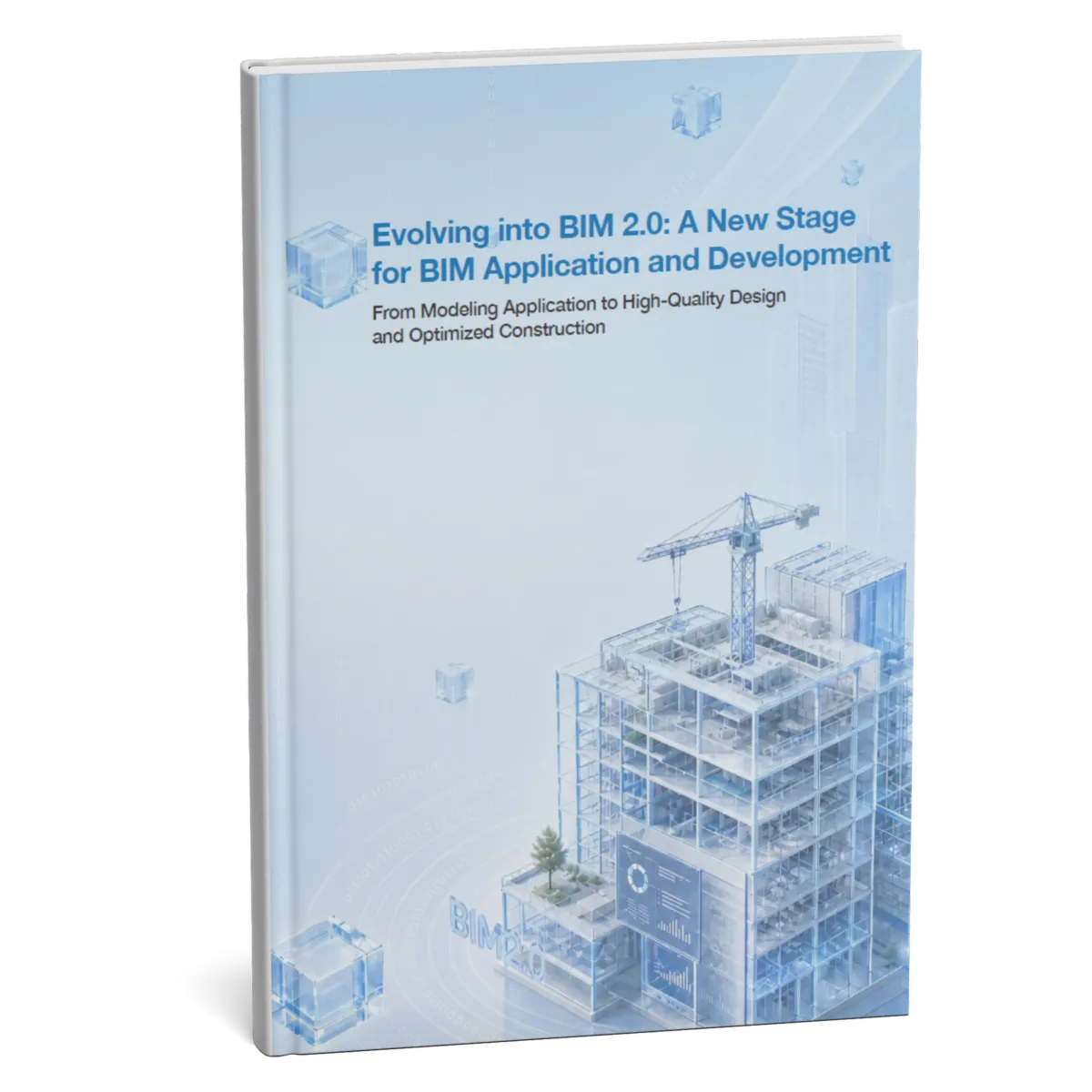
Why BIM Needs to Move Beyond Modeling
The next stage of BIM turns project information into connected, trusted and reusable data — supporting better decisions across the entire building lifecycle.
Why BIM Needs to Move Beyond Modeling
The next stage of BIM turns project information into connected, trusted and reusable data — supporting better decisions across the entire building lifecycle.
The Problem
Three barriers preventing BIM from delivering full-lifecycle value
The Problem
Three barriers preventing BIM from delivering full-lifecycle value
Many BIM practices still remain limited to modeling, visualization and partial applications. To unlock greater value, BIM needs to overcome three key barriers.
Many BIM practices still remain limited to modeling, visualization and partial applications. To unlock greater value, BIM needs to overcome three key barriers.
BARRIER ONE
Tools Still Focused
on Modeling
Many BIM tools are still centered on model representation, with limited integration into design, cost, construction and operations workflows — reducing BIM to a drawing tool rather than a foundation for decisions.
BARRIER TWO
Disconnected Data
and Model Silos
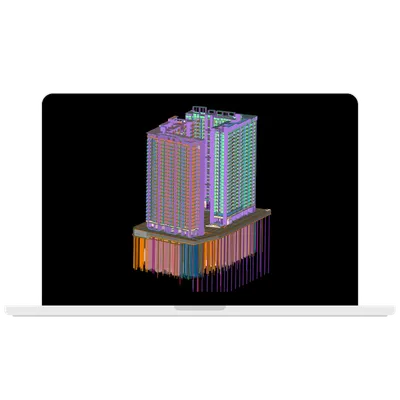
When project participants create and manage models separately, data becomes difficult to connect, update and reuse — without a shared way for information to flow across disciplines and stages.
BARRIER THREE
Management Models That Limit Integration
BIM value depends on data sharing, process coordination and clear responsibilities. Separated from real project workflows, BIM becomes an extra task instead of a core foundation.
BARRIER ONE
Tools Still Focused
on Modeling
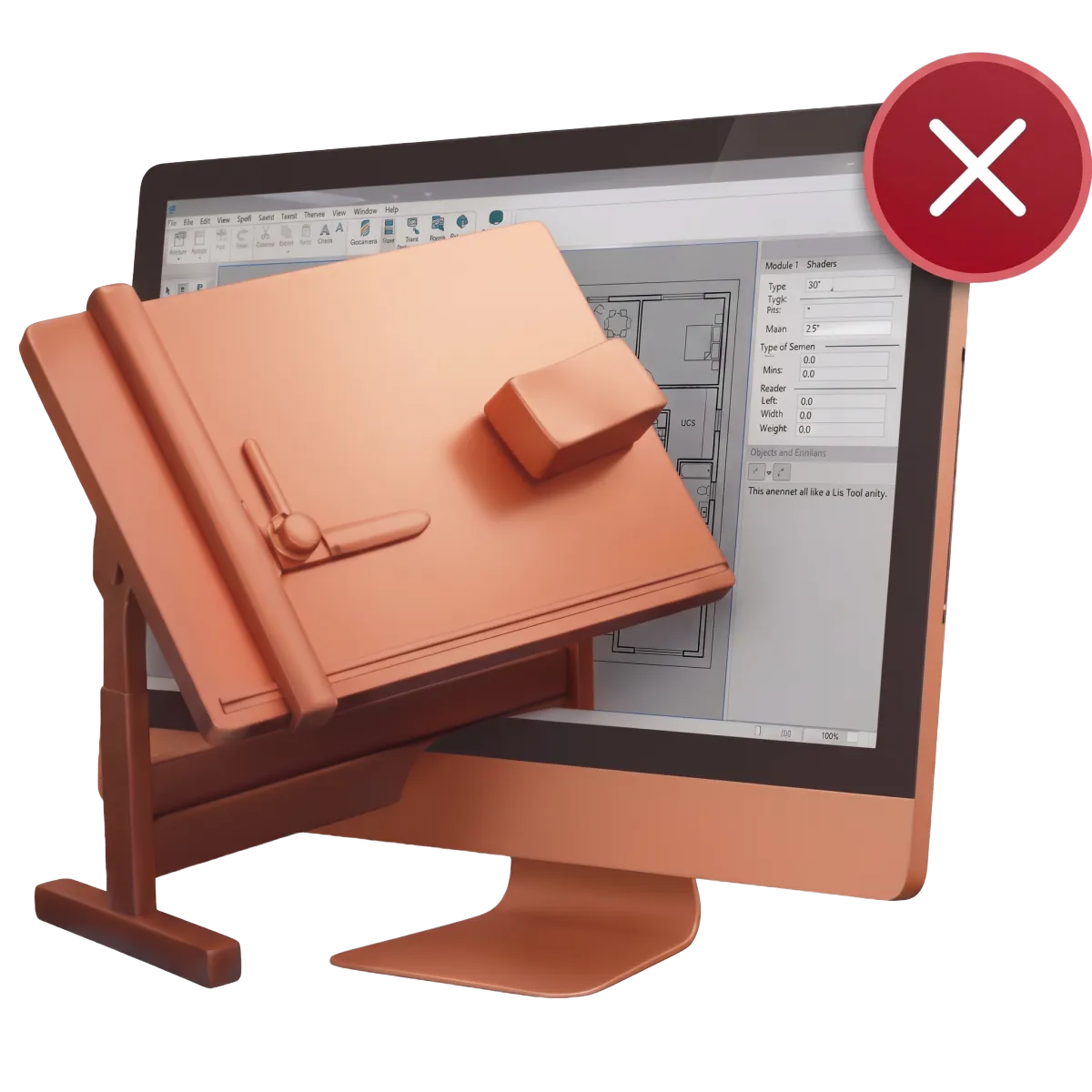
Many BIM tools are still centered on model representation, with limited integration into design, cost, construction and operations workflows — reducing BIM to a drawing tool rather than a foundation for decisions.
BARRIER TWO
Disconnected Data
and Model Silos
When project participants create and manage models separately, data becomes difficult to connect, update and reuse — without a shared way for information to flow across disciplines, platforms and project stages。
BARRIER THREE
Management Models That Limit Integration
BIM value depends on data sharing, process coordination and clear responsibilities. Separated from real project workflows, BIM becomes an extra task instead of a core foundation.
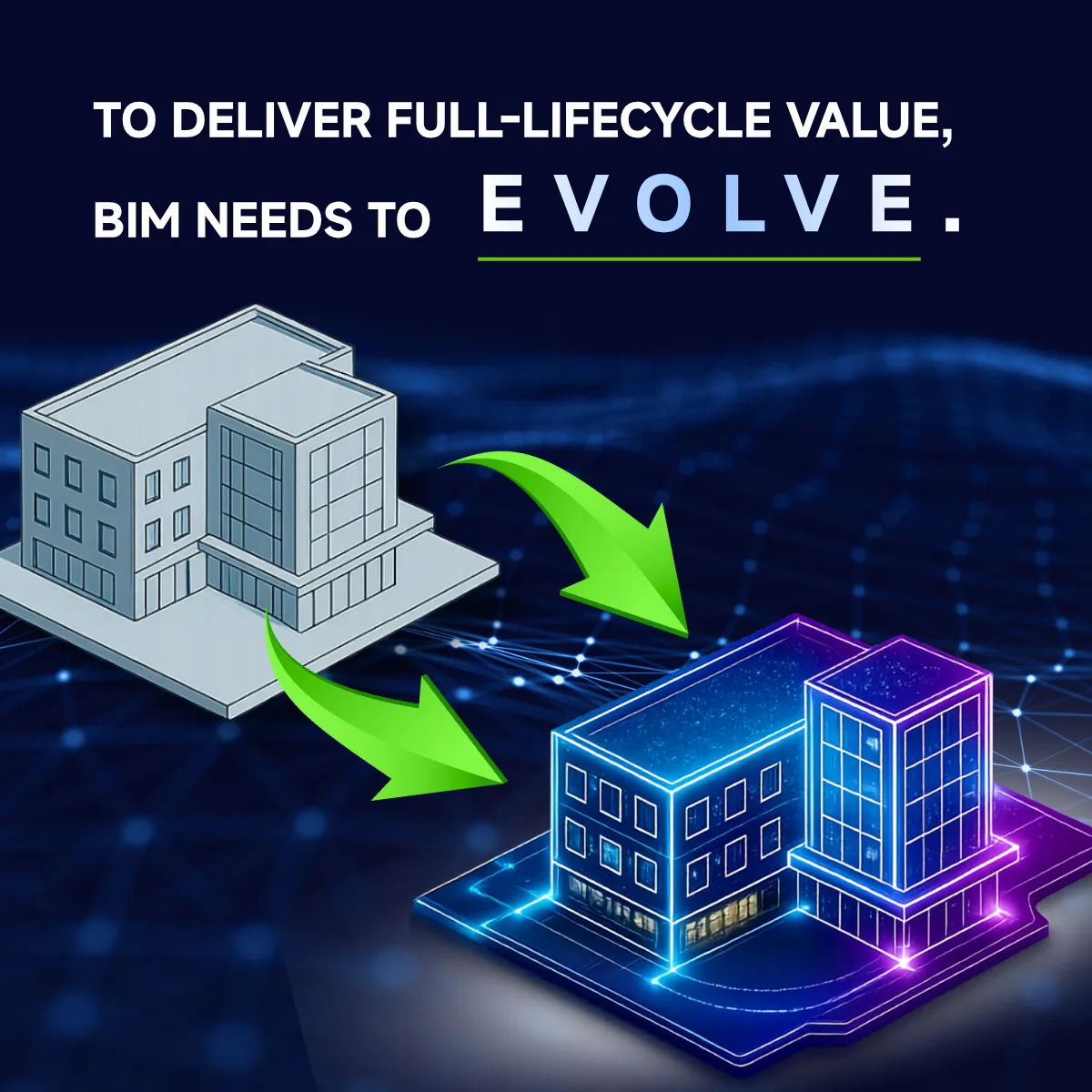
To deliver full-lifecycle value, BIM needs to evolve.
To deliver full-lifecycle value, BIM needs to evolve.
The next stage requires connected data, integrated workflows and stronger alignment between technology, business and management.
The Solutions
Introducing BIM 2.0: From Building Modeling to Information Management
The Solutions
Introducing BIM 2.0: From Building Modeling to Information Management
Beyond model representation. Toward real value from data.
Beyond model representation. Toward real value from data.
What is BIM 2.0?
A new paradigm centered on DATA + AI. It connects project factors, disciplines and processes to support high-quality design and optimized construction.
What is BIM 2.0?
A new paradigm centered on DATA + AI — connecting disciplines and processes.
From Building Modeling to Information Management
From BIM to Information Management
Not just more detailed or faster models. BIM becomes the core carrier of information management and data applications.
Not just faster models — BIM becomes the core carrier of information management
What Changes in BIM 2.0
What Changes in BIM 2.0
Static Models
to
Dynamic, "living" models
Static Models
Dynamic, "living" models
Single-point applications
to
Whole-process integration
File-level sharing
to
Component-level collaboration
File-level sharing
Component-level collaboration
Single-point applications
Whole-process integration
Isolated project data
A DATA + AI digital foundation
Isolated project data
to
A DATA + AI digital foundation
Why It Maters
BIM 2.0 connects data, workflows and value creation
Compared with traditional BIM applications, BIM 2.0 is defined by four core characteristics: integration of all project elements, cross-disciplinary collaboration, end-to-end process integration, and DATA+AI-driven intelligence.
At its core, BIM 2.0 brings business and technology together. On the business side, it breaks down barriers between project stages and enables coordinated collaboration across elements, disciplines and processes. On the technology side, DATA+AI serves as the key driver, integrating data technologies with intelligent technologies to support higher-quality design and more optimized construction.
Get The Full Whitepaper
What's Inside
Where BIM falls short today, and the framework for what's next.
Why today's BIM stops short of full-lifecycle value
Three barriers holding BIM back — and how to remove them
How DATA + AI Drives BIM 2.0
The Value BIM 2.0 Delivers
How BIM 2.0 Can Be Implemented
Get The Full Whitepaper
What's Inside
Where BIM falls short today, and the framework for what's next.
Why today's BIM stops short of full-lifecycle value
Three barriers holding BIM back — and how to remove them
How DATA + AI Drives BIM 2.0
The Value BIM 2.0 Delivers
How BIM 2.0 Can Be Implemented
Company
Solutions & Products
Project Showcases
Resource Center
Contact Us


© Copyright 2026. Glodon Asia International. All Rights Reserved.